


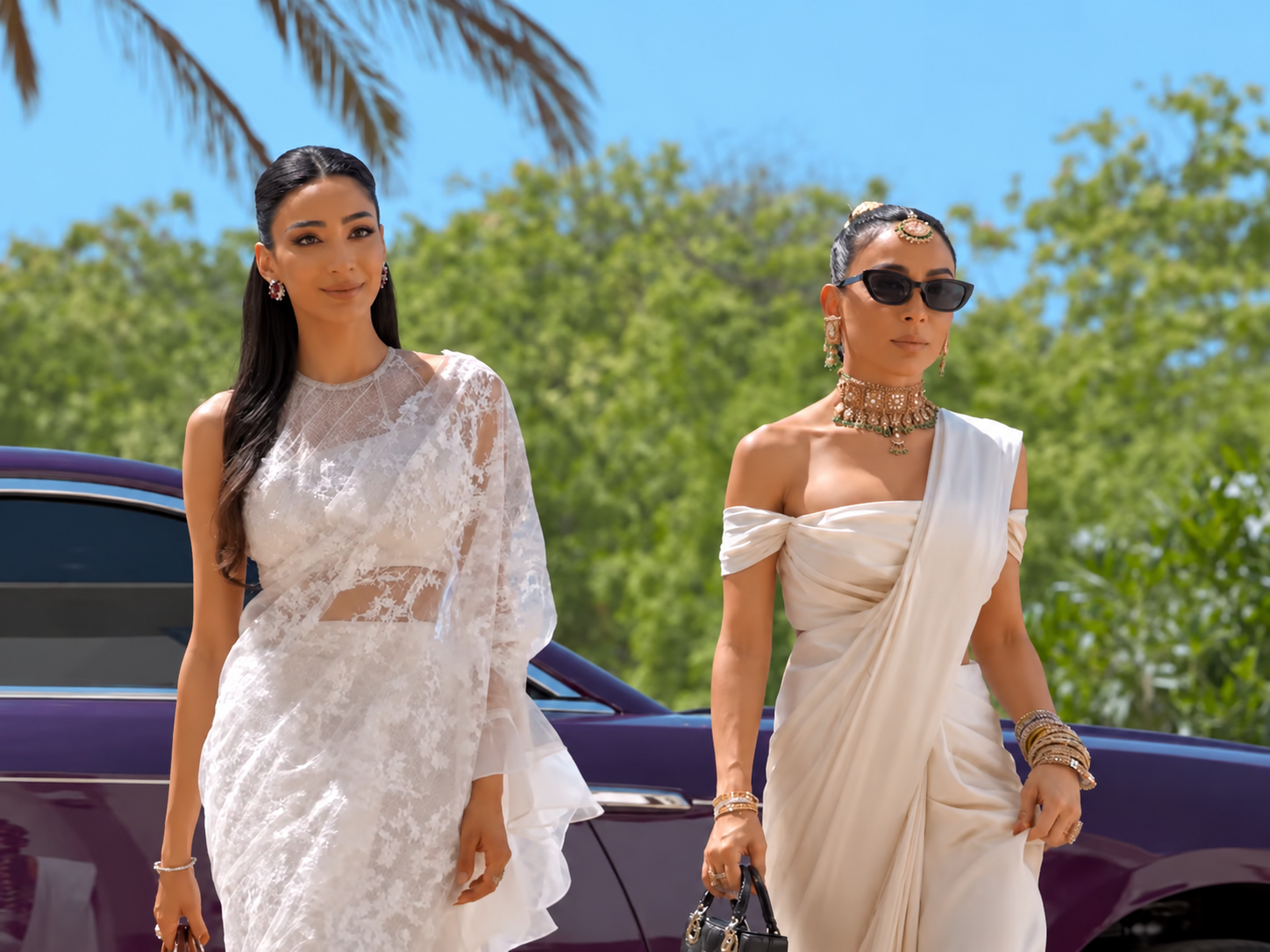
Alizey Mirza is attracting attention for the way her journey on Desi Bling connects with a wider message of sisterhood, confidence, and female support. Reality television can introduce personalities to new audiences, but the strongest connections often develop when viewers see something relatable beyond the screen. For many fans, the appeal of Alizey Mirza lies in the conversation around family, identity, fashion, and women supporting one another.
The idea of turning fan love into a sisterhood moment highlights how entertainment personalities can help create communities around shared experiences. It also reflects a growing interest in stories that celebrate women’s friendships, confidence, and cultural identity.
Who Is Alizey Mirza?
Alizey Mirza is associated with Desi Bling, a reality television series that brings South Asian personalities, lifestyles, relationships, and social dynamics into the spotlight.
The show’s glamorous setting and personal stories offer viewers a glimpse into the lives of people balancing cultural traditions with modern lifestyles. For audiences interested in South Asian fashion and entertainment, personalities such as Alizey can become part of larger conversations about identity, ambition, and self-expression.
As interest in reality television grows across digital platforms, viewers increasingly follow cast members beyond individual episodes. Social media, interviews, and online discussions allow fans to engage with personalities and share their opinions about the moments that stand out to them.
How Desi Bling Fame Can Build a Sisterhood
The concept of sisterhood goes beyond biological relationships. It can describe a feeling of connection between women who encourage, support, and inspire one another.
When a reality television personality attracts attention, that visibility can create opportunities to discuss topics that matter to female audiences. These may include self-confidence, personal growth, cultural expectations, friendship, and the importance of having a supportive community.
In the context of Alizey Mirza and Desi Bling, the sisterhood theme offers an interesting way to understand the relationship between public attention and personal connection.
Fans do not always connect with celebrities because of their lifestyle or appearance. Sometimes, they connect because a personality represents an experience, attitude, or aspiration that feels familiar.
This is one reason why stories about women supporting women continue to attract attention across entertainment and lifestyle media.
Why Fan Love Matters for Reality TV Personalities
Fan support plays an important role in the modern entertainment industry. Viewers can follow their favourite personalities on social media, respond to their posts, share clips, and participate in conversations about their lives.
This interaction creates a relationship that extends beyond television.
For personalities associated with shows such as Desi Bling, online audiences can help keep conversations active between episodes. Supportive comments and discussions can also encourage more people to discover the show.
However, meaningful fan engagement is about more than popularity. Audiences increasingly appreciate authenticity, relatable experiences, and positive messages.
A story built around sisterhood can therefore offer something different from the usual focus on luxury, fashion, and reality television drama. It gives audiences an opportunity to consider the relationships and values behind the public image.
The Role of South Asian Culture in the Sisterhood Conversation
South Asian culture places importance on family relationships, community, traditions, and social connections. Sisterhood can be expressed through relationships between sisters, cousins, friends, and women who support one another through different stages of life.
At the same time, younger generations are finding new ways to express these values. Social media, international entertainment, and digital communities have created opportunities for women to connect across cities and countries.
Desi Bling reflects the interest in South Asian personalities navigating modern lifestyles while remaining connected to their cultural backgrounds.
For viewers, these stories can raise questions about balancing tradition with independence, maintaining family connections, and defining success in personal ways.
The sisterhood theme fits naturally into this wider conversation because it celebrates connection without suggesting that every woman must follow the same path.
Fashion, Glamour, and Personal Identity
Fashion is another important part of reality television culture. Clothing, jewellery, beauty choices, and personal styling help public personalities express their identities.
The glamorous image associated with Desi Bling can attract viewers who enjoy South Asian fashion and luxury-inspired looks. Yet personal style can also become a way to communicate confidence and individuality.
For many women, fashion is not simply about following trends. It can be a way to celebrate cultural heritage, explore creativity, and feel comfortable expressing themselves.
When discussions about fashion are combined with messages of sisterhood, the conversation can move beyond appearance. It can encourage women to appreciate different styles, respect individual choices, and support one another rather than compete.
How Social Media Strengthens Female Communities
Social media has changed the way audiences engage with entertainment personalities. Instagram, TikTok, YouTube, and other platforms allow fans to discover content, share opinions, and participate in conversations.
These digital spaces can help women find communities with similar interests, including fashion, beauty, entrepreneurship, family life, and personal development.
A reality television moment can become the starting point for a wider discussion. Fans may share their favourite scenes, discuss cultural experiences, or express support for a personality whose story resonates with them.
However, a healthy online sisterhood also depends on respect. Disagreements should not become personal attacks, and public figures deserve privacy and fair treatment.
The most positive communities use their shared interests to encourage others rather than spread negativity.
What Alizey Mirza’s Public Journey Represents
Alizey Mirza’s association with Desi Bling places her within a broader entertainment environment where personality, fashion, and audience engagement often work together.
The sisterhood theme provides an opportunity to explore how public visibility can encourage conversations about confidence, female friendships, and cultural identity.
It also reflects a wider shift in audience expectations. Viewers may enjoy glamorous entertainment, but they also look for relatable messages and meaningful connections.
The lasting value of a story like this depends on the conversations it inspires. Supporting women, celebrating individual achievements, and building positive communities are ideas that extend beyond reality television.
Ultimately, the sisterhood message is about recognising that women can succeed together. Whether through friendship, family relationships, shared interests, or online communities, mutual encouragement can make a meaningful difference.
Conclusion
Alizey Mirza’s connection with Desi Bling provides an opportunity to explore the relationship between reality television, fan engagement, and sisterhood. In a digital world where public personalities can connect directly with audiences, stories about female support can reach people far beyond the television screen.
The broader message is simple: confidence grows when people feel supported, and communities become stronger when women celebrate one another. While fame may introduce a personality to a wider audience, genuine connection is what can keep people interested.
For fans of South Asian entertainment, fashion, and lifestyle, the sisterhood theme offers a reminder that behind the glamour, shared values and positive relationships can be just as important.
