


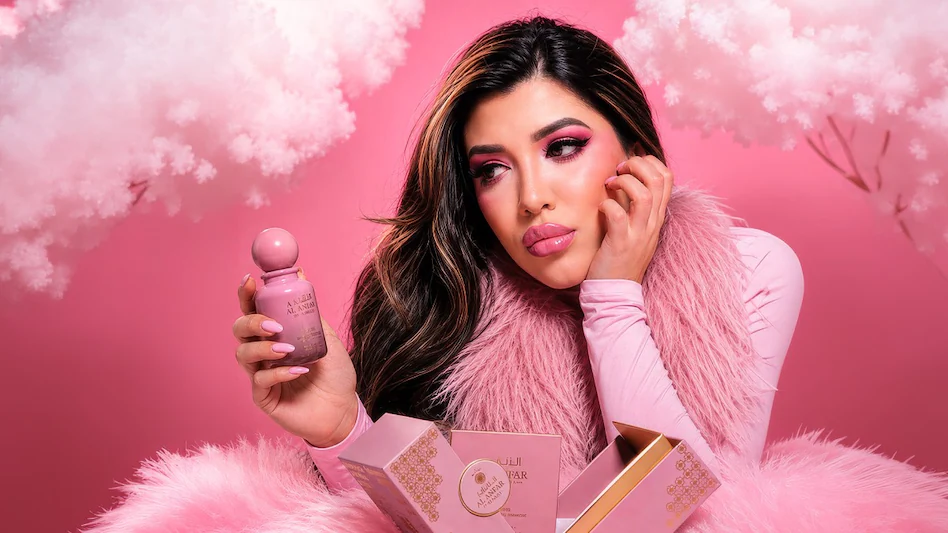
Perfume has always been more than a pleasant smell. It can express personality, bring back memories, complete an outfit, and create a strong personal identity. In the digital age, however, the way people discover and buy fragrances is changing quickly. Social media, online shopping, visual branding, and younger consumers are influencing what makes a perfume successful.
One entrepreneur bringing this new thinking to the fragrance world is Almas Anfar Kathuria. A Dubai-based entrepreneur, model, philanthropist, and third-generation perfumer, Almas is helping take her family’s fragrance heritage into a more modern era through Al Anfar by Almas.
Who Is Almas Anfar Kathuria?
Almas Anfar Kathuria is known for her work across luxury, fashion, beauty, and entrepreneurship. She is also associated with international pageantry and has been described as a titleholder including Mrs. India Middle East 2024 and Mrs. Tourism International 2024.
Her business story is closely connected to her family. Almas represents the third generation of a fragrance family whose history goes back to 1950, when Haji Anfar Ali established the family’s perfume business. Her late father, Shahid Anfar Ali, later expanded the business into the Arabian Peninsula.
Today, Almas is working to revive and modernize that heritage for a new generation of fragrance customers.
From Traditional Oud to Modern Luxury
The history of Al Anfar is strongly connected with traditional ingredients such as agarwood, Dehn Al Oudh, and oud. These ingredients are deeply connected with Middle Eastern fragrance culture and are valued for their rich and long-lasting character.
Almas’ approach is not simply about repeating the past. Her vision combines traditional oriental fragrance with modern French-inspired elegance. The official Al Anfar story describes this as a connection between heritage and contemporary luxury.
This balance is important in today’s fragrance market. Customers want authenticity, but they also want modern packaging, easy online discovery, attractive storytelling, and products that fit their lifestyle.
Making Perfume More Relevant to Gen Z
One of the most interesting parts of Almas Anfar Kathuria’s fragrance strategy is her focus on younger consumers.
Recent reports about her upcoming fragrance concepts describe a playful approach built around gourmand-inspired ideas such as chocolate, oud, strawberry, caramel, and espresso. These are very different from the traditional image of perfume as a formal luxury product.
The idea is to make fragrance more expressive and personal.
For younger consumers, perfume can be connected to:
- Fashion
- Mood
- Personal identity
- Social media
- Beauty routines
- Special occasions
- Collecting
- Gift giving
This is where the idea of “rewriting scents for the Internet age” becomes important. A modern fragrance is not only judged by how it smells. Its name, bottle, story, packaging, social-media appeal, and overall experience can also influence consumer interest.
The Seven-Day Fragrance Idea
Another reported concept associated with Almas is a seven-day miniature fragrance collection. The idea is simple: instead of wearing one perfume every day, consumers can choose different scents according to their mood, outfit, or plans.
This approach fits naturally with modern lifestyle culture.
Monday might need a fresh and energetic scent. A weekend evening could call for something warmer and richer. The concept turns perfume into a form of daily self-expression.
It also makes fragrance more collectible and gift-friendly, which can be especially attractive to younger buyers.
Al Anfar by Almas: A Family Legacy Reimagined
Almas is not starting from zero. She is building on a family fragrance heritage that has existed for more than seven decades.
The current Al Anfar by Almas collection includes fragrances such as Noor Al Qamar, Amber Layli, Oud Al Amberies, and Almas Noir. The brand describes its fragrances as a combination of oriental traditions and French-inspired sophistication.
The company also says it develops bespoke fragrances and provides private-label and custom fragrance solutions for other brands. This gives the business a broader role beyond selling perfumes directly to consumers.
More Than a Perfume Business
Almas’ entrepreneurial activities extend beyond fragrance. She has also been associated with luxury and beauty ventures, including Couture by Almas and Almas Beauty. She later entered professional sports leadership as the owner of the Northern Warriors franchise in the Abu Dhabi T10 League.
This wider business profile helps explain her approach to branding. Her work connects luxury, fashion, beauty, entertainment, sports, and entrepreneurship.
For Almas, fragrance is therefore not just a product. It is part of a larger lifestyle and identity.
What Makes Her Approach Different?
The strongest part of Almas Anfar Kathuria’s fragrance story is the combination of heritage and reinvention.
She has access to a traditional perfume legacy built around oud and craftsmanship, but she is also exploring modern ideas designed for younger audiences. Colorful concepts, playful fragrance notes, miniature collections, digital storytelling, and accessible luxury can help perfume reach consumers who may not connect with traditional luxury marketing.
In simple terms, Almas is trying to answer a modern question:
How can a fragrance brand preserve its history while speaking the language of today’s consumers?
Her answer appears to be a combination of heritage, creativity, personality, and modern branding.
The Future of Fragrance in the Digital Age
The fragrance industry is becoming increasingly connected to digital culture. Consumers can discover a perfume through Instagram, TikTok, online stores, influencers, celebrity collaborations, and digital communities before ever smelling it in person.
This makes storytelling more important than ever.
Almas Anfar Kathuria’s journey reflects this transformation. By carrying forward a family fragrance heritage while developing concepts for a younger generation, she represents a new type of luxury entrepreneur—one who connects traditional craftsmanship with modern consumer culture.
Her story shows that heritage does not have to remain in the past. With the right vision, an old fragrance legacy can become a new digital-age experience.
