


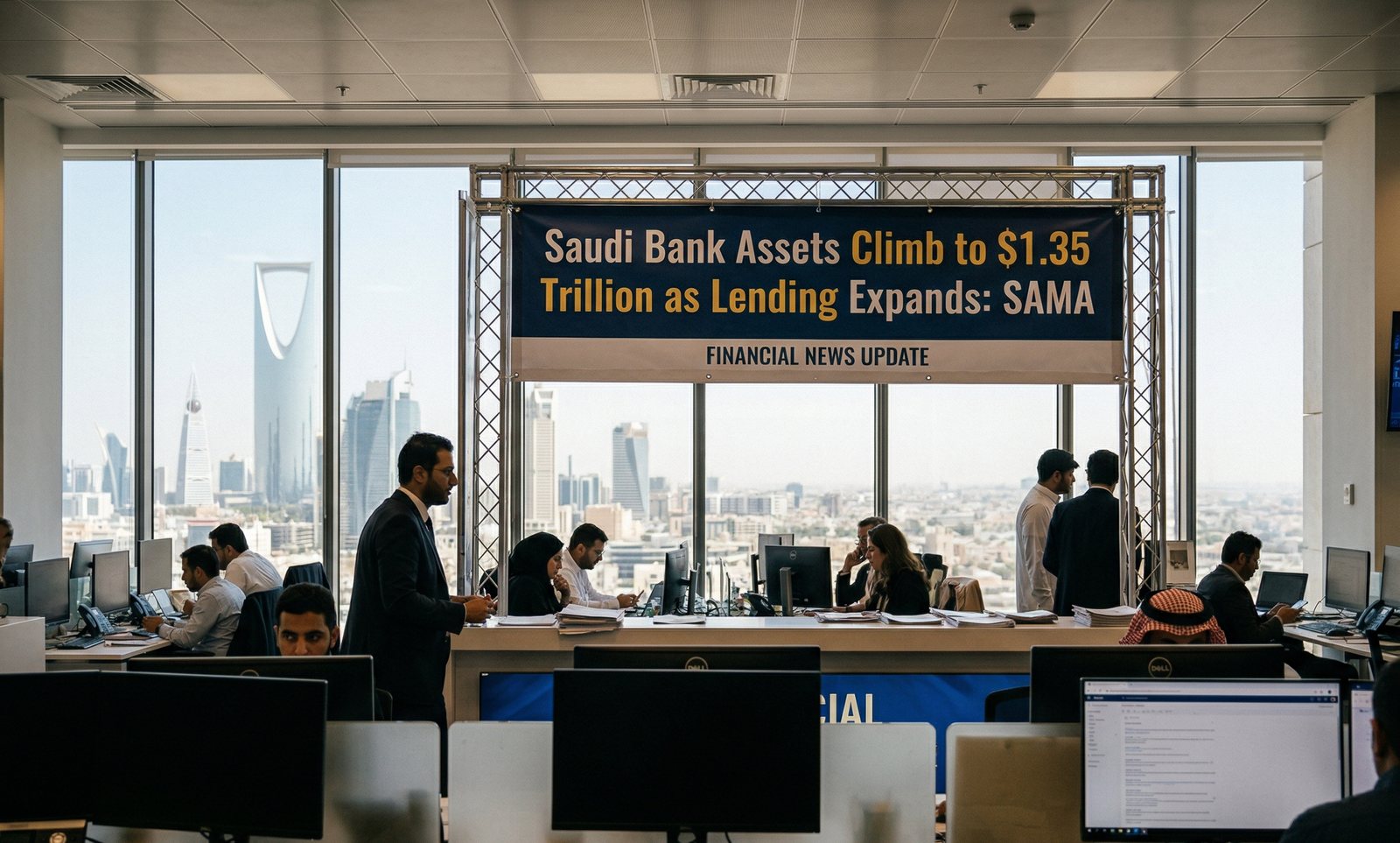
Saudi Arabia’s banking sector is growing fast. According to the Saudi Central Bank (SAMA), total bank assets in the country have reached $1.35 trillion. This growth is mainly driven by increased lending activities and strong economic performance.
This is a positive sign for the Saudi economy and shows that the financial sector is becoming stronger and more stable.
What Does the Growth in Bank Assets Mean?
Bank assets include loans, investments, and other financial holdings. When bank assets increase, it means:
- Banks are lending more money
- Businesses are expanding
- Consumers are spending more
The rise to $1.35 trillion shows that Saudi banks are playing a major role in supporting economic growth.
Key Reasons Behind the Growth
1. Increase in Lending
One of the biggest reasons for this growth is increased lending. Banks are giving more loans to:
- Businesses
- Individuals
- Real estate projects
This helps boost economic activity across different sectors.
2. Strong Economic Reforms
Saudi Arabia is transforming its economy under Vision 2030. This plan focuses on:
- Reducing dependence on oil
- Growing non-oil sectors
- Encouraging private investment
These reforms have increased demand for loans and financial services.
3. Growth in Real Estate Sector
The real estate sector is growing rapidly in Saudi Arabia. Banks are providing loans for:
- Housing projects
- Commercial buildings
- Infrastructure development
This has significantly contributed to the rise in bank assets.
4. Increased Consumer Spending
With higher employment and better income levels, people are spending more. This has increased demand for:
- Personal loans
- Car loans
- Credit cards
As a result, banks are expanding their lending portfolios.
Role of Saudi Central Bank
SAMA plays a key role in regulating and monitoring the banking sector. It ensures:
- Financial stability
- Proper lending practices
- Risk management
By maintaining strong regulations, SAMA helps build trust in the banking system.
Impact on the Saudi Economy
1. Economic Growth
More lending means more investment. Businesses can expand, create jobs, and increase production.
2. Job Creation
As companies grow, they hire more employees, which reduces unemployment.
3. Increased Investments
Both local and foreign investors feel more confident when the banking sector is strong.
Challenges to Watch
Despite strong growth, there are some challenges:
1. Rising Interest Rates
Higher interest rates can reduce borrowing and slow down lending growth.
2. Risk of Over-Lending
If banks lend too much without proper checks, it can increase financial risk.
3. Global Economic Uncertainty
Global market changes can affect Saudi Arabia’s financial sector.
Future Outlook
The future of Saudi Arabia’s banking sector looks promising. With continued reforms and economic diversification, bank assets are expected to grow further.
Key trends to watch:
- Digital banking growth
- Fintech innovations
- Expansion of SME lending
Saudi Arabia is becoming one of the strongest financial markets in the Middle East.
Conclusion
The rise in Saudi bank assets to $1.35 trillion is a strong indicator of economic progress. Increased lending, government reforms, and growing consumer demand are driving this growth.
With the support of Saudi Central Bank and initiatives like Vision 2030, the banking sector is expected to continue expanding in the coming years.
This growth not only strengthens the financial system but also creates new opportunities for businesses and individuals.
❓ FAQs
1. What are bank assets?
Bank assets include loans, investments, and other financial resources owned by banks.
2. Why did Saudi bank assets increase?
They increased mainly due to higher lending, economic reforms, and growth in sectors like real estate.
3. What is SAMA?
Saudi Central Bank is the central bank of Saudi Arabia that regulates the financial system.
4. How does lending help the economy?
Lending allows businesses to grow, create jobs, and increase economic activity.
5. What is Vision 2030?
Vision 2030 is Saudi Arabia’s plan to diversify its economy and reduce dependence on oil.
