


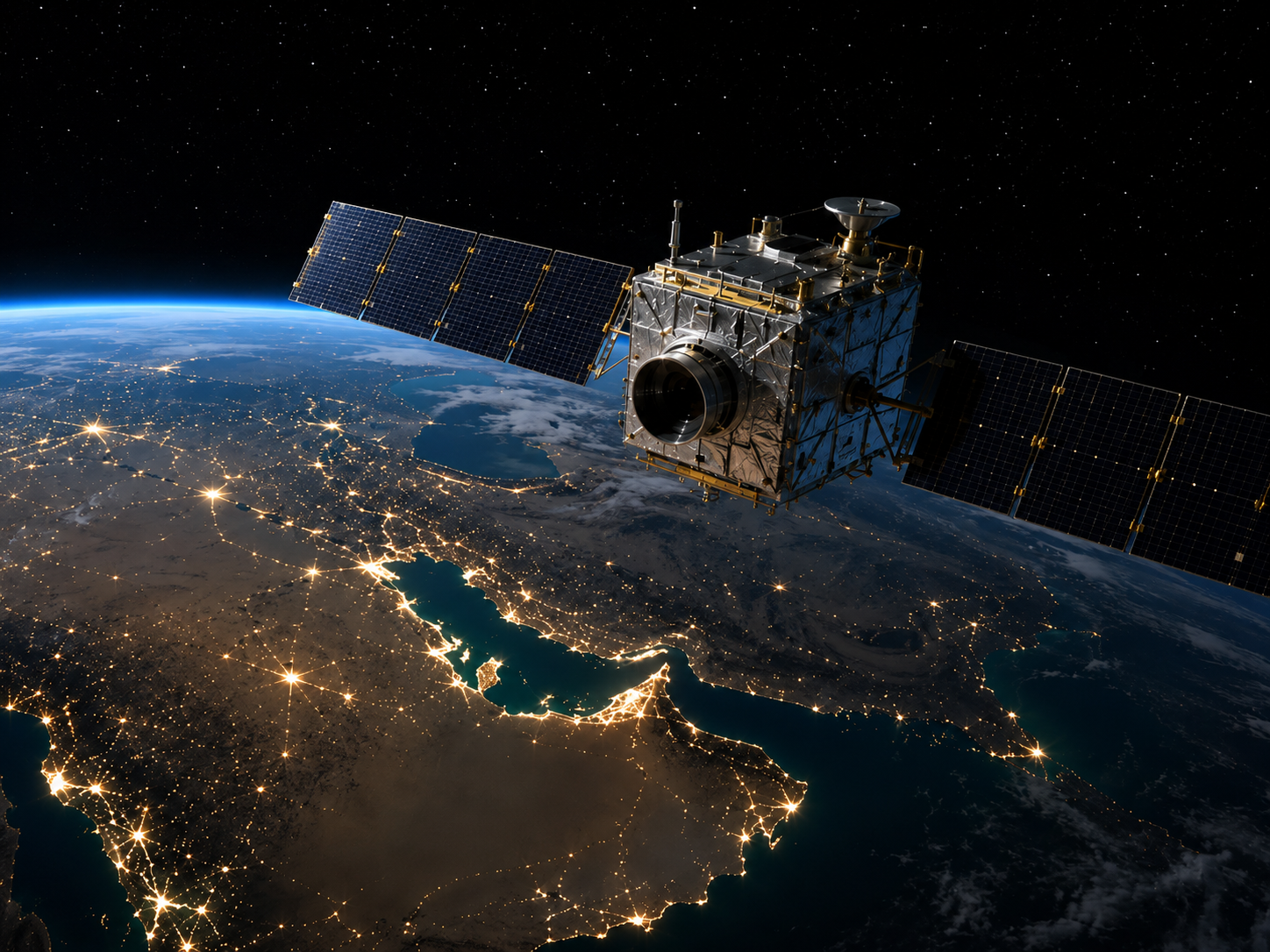
The United Arab Emirates (UAE) continues to strengthen its position in the global space industry. In a major step forward, the UAE has expanded its space intelligence network by adding three new satellites. This development highlights the country’s commitment to innovation, advanced technology, and space exploration.
The launch of these satellites is expected to improve data collection, environmental monitoring, communication systems, and national security capabilities. It also supports the UAE’s long-term vision of becoming a leading player in the global space sector.
What Is the UAE Space Intelligence Network?
The UAE Space Intelligence Network is a system of satellites, ground stations, and data-processing technologies that work together to collect and analyze information from space. These satellites provide valuable data for government agencies, businesses, researchers, and environmental organizations.
The network helps monitor:
- Weather conditions
- Climate change
- Natural disasters
- Urban development
- Agricultural activities
- Maritime operations
- National security
With the addition of three new satellites, the network becomes more powerful and capable of delivering accurate information in real time.
Why Are the Three New Satellites Important?
The newly launched satellites bring advanced technology and enhanced capabilities to the UAE’s growing space program. They are designed to improve data accuracy, increase coverage areas, and provide faster access to critical information.
Some key benefits include:
Improved Earth Observation
The satellites can capture high-resolution images of the Earth. These images help monitor environmental changes, track natural disasters, and support infrastructure planning.
Enhanced Data Collection
More satellites mean more data can be collected from different locations around the world. This improves the quality and reliability of information available to decision-makers.
Stronger National Security
Space-based intelligence plays an important role in monitoring borders, protecting critical infrastructure, and supporting emergency response operations.
Better Climate Monitoring
The satellites can help scientists study weather patterns, climate changes, and environmental challenges. This information supports sustainability and conservation efforts.
UAE’s Growing Presence in the Space Industry
Over the past decade, the UAE has made significant investments in space technology and innovation. The country has launched several successful projects that have attracted global attention.
Some notable achievements include:
Mars Mission Success
The UAE became the first Arab nation to successfully reach Mars with its Hope Probe mission. This achievement demonstrated the country’s technological capabilities and scientific ambition.
Development of Local Talent
The UAE continues to invest in education, research, and training programs to develop future scientists, engineers, and space experts.
International Partnerships
The country collaborates with leading international space agencies and technology companies to accelerate innovation and knowledge sharing.
The addition of three new satellites is another milestone in this ongoing journey.
How These Satellites Support Smart Cities
Modern cities rely heavily on accurate data for planning and development. The new satellites can provide information that supports smart city initiatives across the UAE.
Applications include:
- Traffic management
- Infrastructure monitoring
- Urban planning
- Environmental protection
- Public safety
By analyzing satellite data, city planners can make better decisions and improve the quality of life for residents.
Benefits for Businesses and Industries
The expanded satellite network offers advantages for multiple industries.
Agriculture
Farmers can monitor crop health, soil conditions, and water usage more effectively. This helps improve productivity and reduce waste.
Transportation
Satellite data can improve navigation systems, logistics operations, and fleet management.
Energy Sector
Energy companies can monitor pipelines, facilities, and environmental conditions using real-time satellite information.
Maritime Industry
Shipping companies can track vessels, monitor sea conditions, and enhance operational efficiency.
Advancing Artificial Intelligence and Space Data
One of the most exciting aspects of the UAE Space Intelligence Network is its integration with artificial intelligence (AI).
AI systems can analyze large amounts of satellite data quickly and accurately. This helps identify patterns, predict events, and generate useful insights.
For example, AI can:
- Detect environmental changes
- Predict weather events
- Monitor infrastructure conditions
- Support disaster response efforts
The combination of AI and satellite technology creates powerful tools for governments and businesses.
Supporting Sustainability Goals
The UAE has placed a strong focus on sustainability and environmental protection. Satellite technology plays an important role in achieving these goals.
The new satellites can help monitor:
- Air quality
- Water resources
- Desert expansion
- Marine ecosystems
- Carbon emissions
Accurate data allows policymakers to create effective environmental strategies and measure their impact over time.
The Future of the UAE Space Program
The launch of three new satellites represents only one part of the UAE’s broader space strategy. The country continues to explore new opportunities in:
- Deep space exploration
- Satellite manufacturing
- Space research
- Artificial intelligence applications
- International space partnerships
Experts believe the UAE will continue investing in advanced technologies that support economic growth and scientific progress.
As the global space industry expands, the UAE is positioning itself as a regional leader and an important contributor to future space innovation.
Conclusion
The expansion of the UAE Space Intelligence Network with three new satellites marks another important achievement in the country’s growing space journey. These satellites will improve Earth observation, strengthen security, support sustainability efforts, and provide valuable data for businesses and governments.
By combining satellite technology with artificial intelligence and advanced analytics, the UAE is creating a smarter and more connected future. This latest development demonstrates the nation’s commitment to innovation, scientific advancement, and leadership in the global space industry.
Frequently Asked Questions (FAQs)
1. Why did the UAE launch three new satellites?
The UAE launched the satellites to improve space intelligence capabilities, enhance data collection, support environmental monitoring, and strengthen national security.
2. How do the new satellites benefit the environment?
They help monitor climate change, air quality, water resources, and other environmental factors, supporting sustainability initiatives.
3. What industries can benefit from satellite data?
Agriculture, transportation, energy, maritime operations, urban planning, and environmental management can all benefit from satellite information.
4. How does artificial intelligence work with satellite technology?
AI analyzes large amounts of satellite data to identify patterns, predict events, and provide actionable insights more efficiently.
5. What is the future of the UAE space program?
The UAE plans to continue investing in satellite technology, deep space exploration, research, innovation, and international collaborations in the space sector.
